
Clinical Specialized Courses (Multi-speciality)
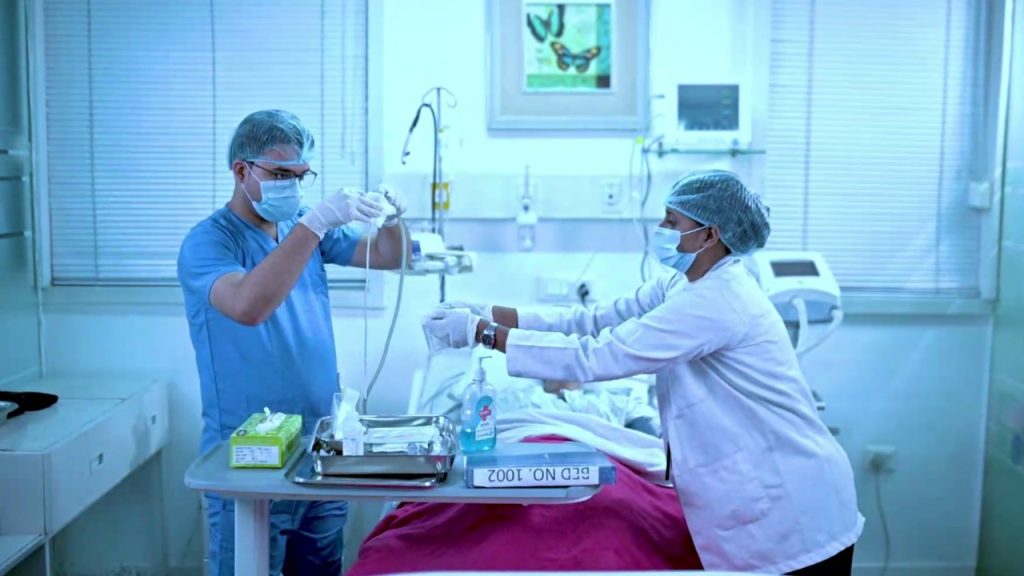
Essentials of Critical Care NursingINC Credit: 30 CNE hours/6 CNE credits
In this course nurses will gain knowledge about concepts in taking care of critically ill patients. Advanced knowledge in major diseases affecting individuals, which requires them to have high intensity nursing, will be in focus. This course will be useful to those nurses who do not have any formal training in critical care nursing and who desire to work in a critical care unit. Critical care units include: ICU, CCU, Emergency and Trauma, Post Anesthesia - Recovery, Transplant and others whose main patient population are the critically ill patients.
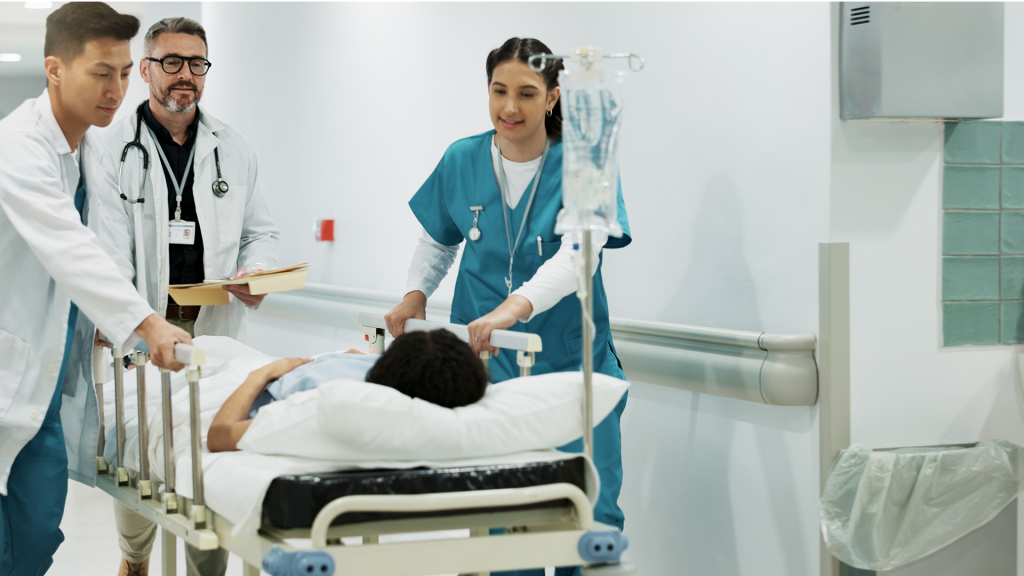
Basics of Emergency NursingINC Credit: 30 CNE Hours/6 CNE credits
To effectively manage real life threatening emergencies, inside and outside of the hospital, it is essential that nurses know systematic management and use simple algorithms to manage these emergencies. In this course, nurses are required to assume various roles during medical emergencies as they would at the scene of an emergency. Pre-designed scenarios will be acted out in the simulation lab where the nurses will have the opportunity to enact on how to manage the emergency situation as per the algorithm.

Infection Prevention and Control Nurse (IPCN)INC Credit: 30 CNE Hours/6 CNE credits
The Certified Infection Prevention and Control Nurse (IPCN) course aims at preventing all kinds of infections in hospitals by developing specialized nurses in this field, equipped with knowledge and skills to keep healthcare facilities infection free. The objective is to empower nurses with expertise which is essential for effective implementation of infection control practices across all healthcare settings with an emphasis on both theoretical and practical aspects.
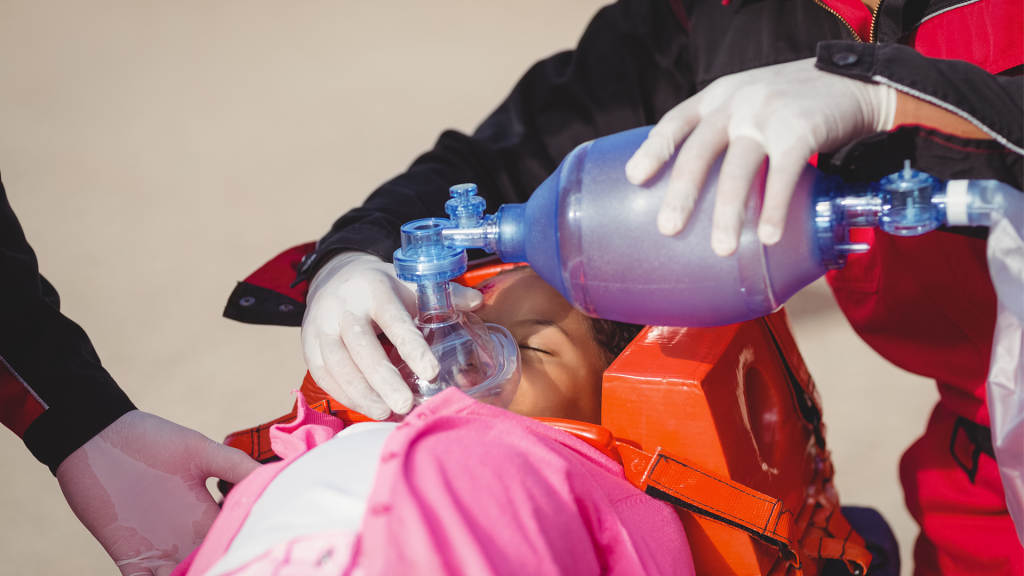
Basic Trauma Life Support INC Credit: 20 CNE Hours/4 CNE credits
To be effective with trauma victims in the hospital, it is essential that nurses know safe and reliable methods for the immediate treatment of injured patients. The basic knowledge necessary to assess a patient’s conditions rapidly and accurately, resuscitate and to stabilize the patient according to priority, to determine whether a patient’s needs exceed a facility’s resources and a provider capabilities, to arrange appropriately for a patient’s inter-hospital transfer (what, who, when and how) and to ensure that optimal care is provided and that the level of care does not deteriorate at any point during the evaluation, resuscitation, or transfer process.
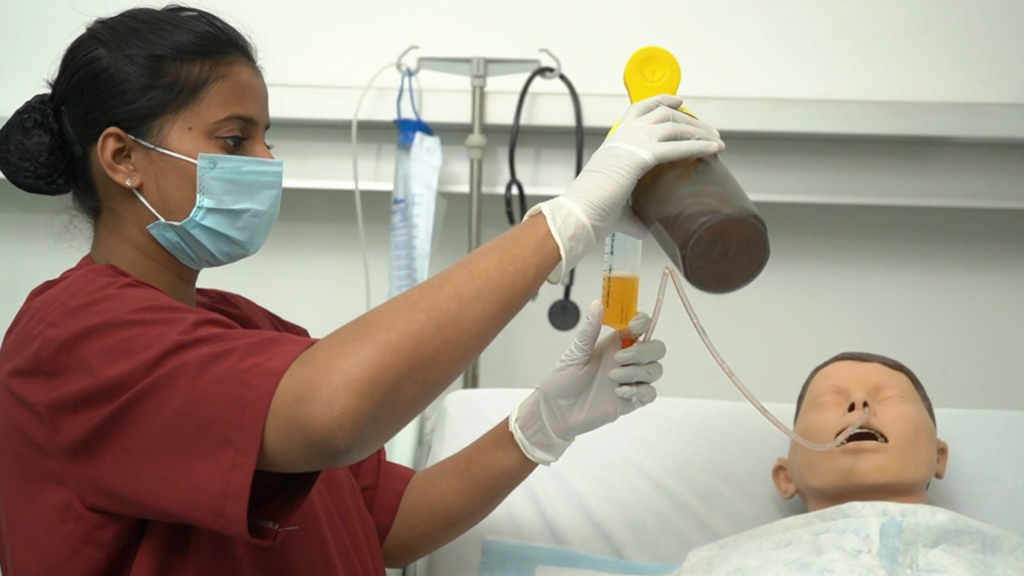
Nurse’s Basic Clinical Skills Training Program INC Credit: 60 CNE hours/12 CNE credits
This program imparts essential safety and risk management information, provides core mandatory training and trains nurses in clinical procedures that they will need to begin their new jobs. The program helps nurses to acquire clinical skills as per hospital SOPs, clinical judgment and professional behavior that will allow them to support and help their patients in various situations. This blended program is especially designed to be customized as per the requirement to work efficiently and to provide quality patient care.
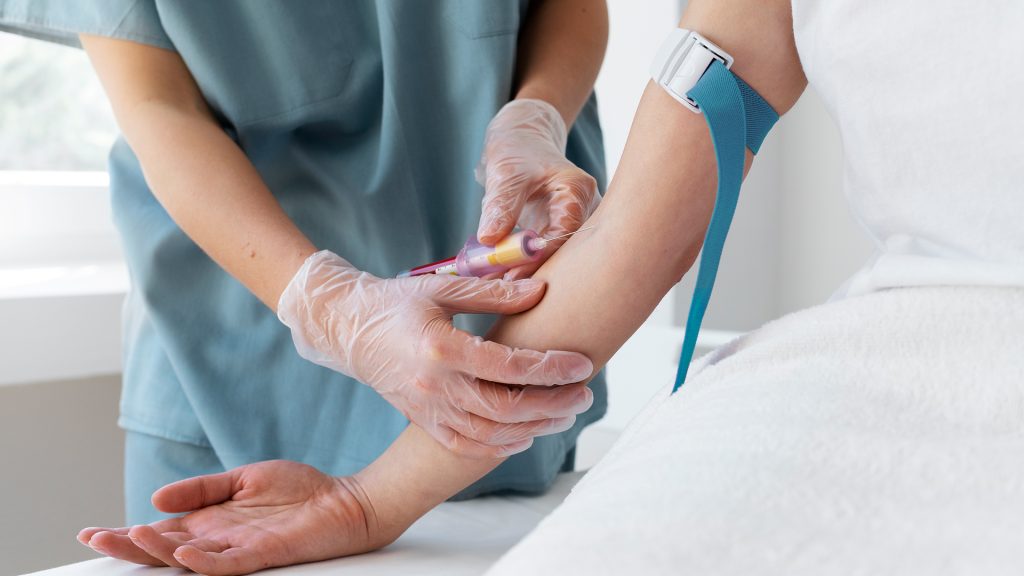
Intravenous Access & Cannulation Program INC Credit: 3 CNE hours/1 CNE credits
This training program covers the proper procedures for venipuncture, or using a needle to find a vein and collect blood. In addition, nurses learn about safe practices for handling blood and the dangers of blood-borne diseases. Instructors also provide information on customer service techniques to help professionals to interact with co-workers and patients and family members. They will learn insertion of vein puncture devices, principles of cannulation, use of various types of IV lines and cannula.
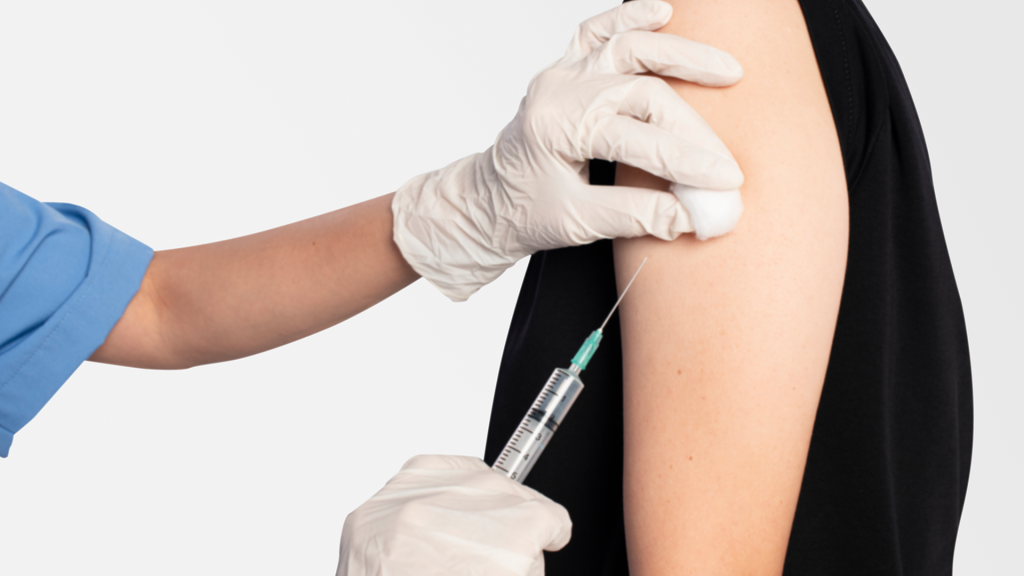
Medication ManagementINC Credit: 15 CNE hours/3 CNE credits
From this training program, nurses will learn the key principles governing what the body does to a medication and, in turn, what a medication does to the body. The program is designed to help nurses learn about high risk medications, what to do when adverse drug reactions occur, common emergency medications and its actions, look alike and sound alike drugs and will upskill in medication administration from different routes. The module focuses on routes of medication, high-risk medication, adverse drug reaction conditions and drug calculations.
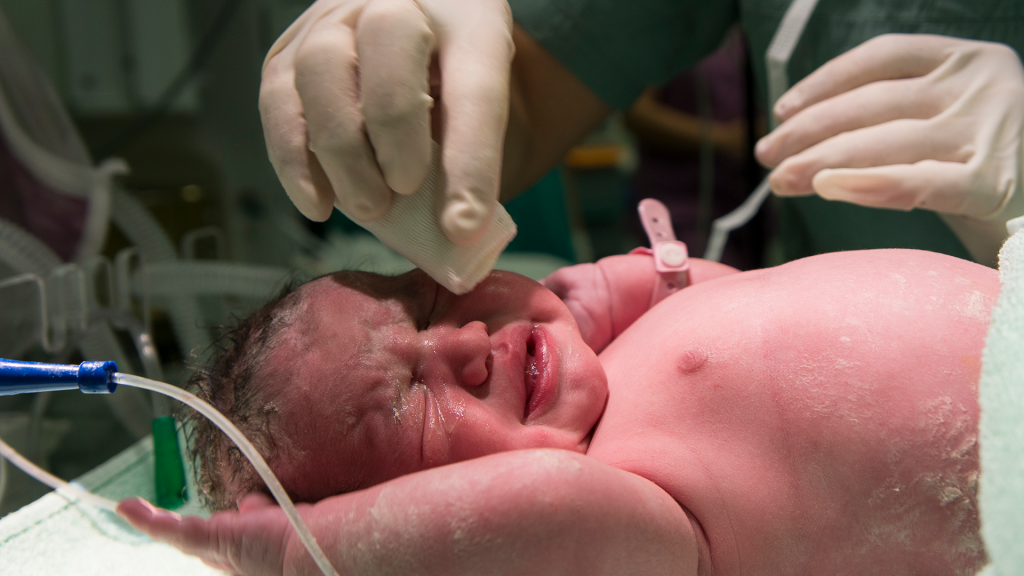
Essentials of NICU Nursing Care INC Credit: None
Essentials of NICU Nursing Care is a specialized course designed to equip nurses with critical skills for neonatal intensive care. Learn to manage premature and critically ill newborns with confidence and competence. The course blends evidence-based clinical knowledge with hands-on simulation training. Ideal for nurses aspiring to excel in neonatal units and elevate infant care standards.

Advanced Trauma Life Support
Advanced Trauma Life Support (ATLS) is a globally standardized trauma management programme that equips physicians with a systematic, evidence-based approach to managing injured patients during the critical first hour of care. Delivered at Vidyanta’s Centre for Clinical & Simulation Excellence, the ATLS programme prepares doctors to lead trauma resuscitations with confidence, precision, and clinical clarity. Trauma management requires rapid prioritization, decisive action, and structured assessment. Variability in approach increases the risk of missed injuries and delayed interventions.

Advanced Trauma Care for Nurses
Advanced Trauma Care for Nurses (ATCN) is a structured trauma training programme designed specifically for nursing professionals working in emergency and critical care settings. ATCN enhances clinical confidence, structured assessment capability, and coordinated trauma team performance. At Vidyanta, the programme integrates simulation-based learning with skill-focused training to prepare nurses for high-acuity trauma scenarios. In trauma resuscitation, efficient nursing execution is critical. Delays in monitoring, documentation, or procedural assistance can impact patient outcomes.

Advanced Infection Control Nurse
Advanced Infection Control Nurse (AICN) Certification Program, a 20-hour advanced online certification designed to strengthen institutional infection prevention and control (IPC) leadership capacity across healthcare settings. Hospitals require trained nurse leaders who can interpret surveillance data, lead outbreak investigations, implement antimicrobial stewardship, and ensure regulatory compliance.
The AICN program equips nursing professionals with advanced epidemiological, operational, and quality improvement competencies to lead evidence-based infection control programs aligned with national (NABH) and international (CDC, WHO) standards.

Infusion Nurse Certification Course
The Infusion Nurse Certification Course (INCC) is a comprehensive, evidence-based programme designed to equip nurses with the knowledge and hands-on skills required for safe, standardized infusion therapy practice. Delivered in a blended learning format over six weeks—combining self-paced online modules with two days of intensive simulation lab training—the course aligns with national and international infusion standards. The program includes focused training in pediatric and geriatric infusion care, PICC line and CVAD management, blood transfusion protocols, and fluid balance monitoring.