
Choose Vidyanta as your training partner to enhance your clinical skills & competencies
Our Expertise
- ✓Content development based on defined training needs analysis for the relevant participants, to ensure the training offers the proper delivery of healthcare.
- ✓Training delivery methods for bridging the gap between the participants' abilities and our training methodology.
- ✓Evaluation of competency and skills through various evaluation methods, such as OSCE, to help participants understand their level of competency.
Our Approach
Features of Our Training
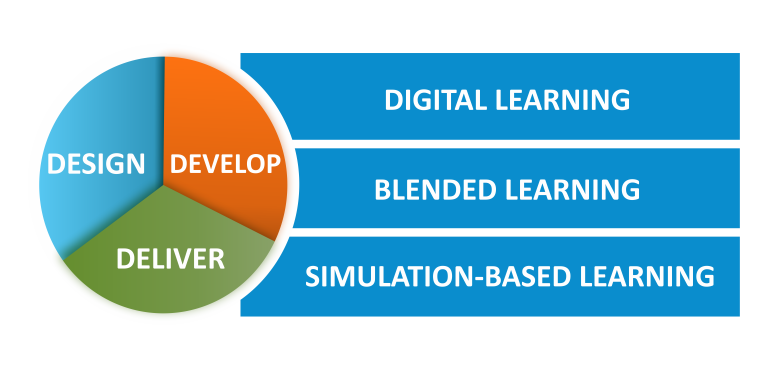
- ✓Simulation-based training
- ✓Instructor-led sessions
- ✓Hands-on practice
- ✓Pre- & post-OSCE assessments
- ✓Written assignments
- ✓Integrate hospital protocols & standards
- ✓Digital learning for continuing education
Adding Value By Training
Our Offerings

Registered Nurses
Vidyanta offers Clinical Specialty Programs designed for registered nurses to master advanced clinical skills through a blended learning approach that combines digital learning, hands-on simulation, and assessments. These programs help nurses specialize in key clinical areas, enhancing their expertise and career growth. With scenario-based and simulation-driven learning, these specialty programs empower nurses to become confident, competent, and job-ready experts in their chosen clinical fields.
Nursing Students
Vidyanta offers structured and comprehensive training programs for nursing students to enhance their clinical competence, decision-making, and patient care skills. Our programs utilize a blended learning approach, integrating scenario-based and simulation-based training to ensure practical, hands-on experience. The programs are mandatory modules, Elective Modules, Cheat Sheet, and clinical procedures for making them competent, confident, and patient-ready.

Nursing Colleges
Vidyanta offers specialized faculty development programs to empower nursing educators with the skills needed for effective simulation-based teaching and assistance in designing, setting up, and managing a state-of-the-art simulation lab for nursing colleges. Vidyanta's training solutions help nursing faculty become proficient in modern teaching methods, ensuring students receive competency-driven, experiential education that bridges the gap between theory and real-world clinical practice.

Healthcare Organizations
National and international accreditations, such as NABH, NABL & JCI are considered prestigious acknowledgements of healthcare quality as they substantially improve the safety and quality of care and services provided for large, medium and small healthcare organizations. To obtain an accreditation and to maintain it, healthcare organizations require skilled, competent healthcare professionals to deliver better patient care.
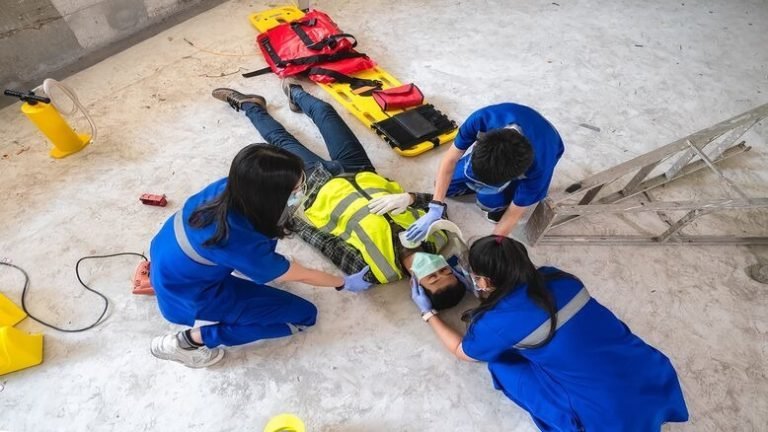
First Responders
Vidyanta's First Responder Training Program is designed to equip individuals in corporates, banks, educational institutes, schools, and other organizations with essential life-saving skills. This program focuses on immediate response to medical emergencies such as cardiac arrest, choking, severe bleeding, and workplace injuries before professional medical help arrives. This program ensures that employees, teachers, and staff are empowered to act confidently in emergencies, enhancing workplace and community safety.
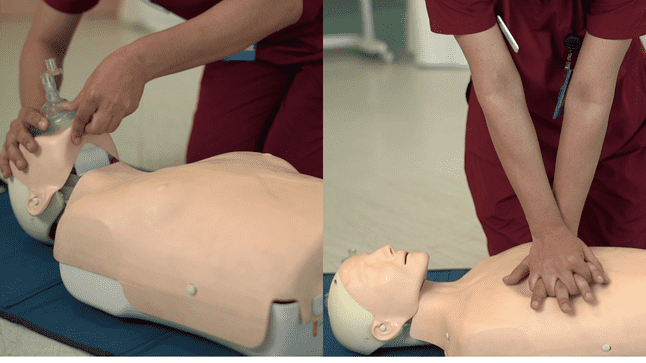
AHA
Vidyanta, an authorized AHA International Training Center, offers American Heart Association (AHA) certified Basic Life Support (BLS) and Advanced Cardiovascular Life Support (ACLS) courses. These globally recognized programs provide healthcare professionals with the essential skills to respond effectively to life-threatening emergencies. Upon successful completion, participants receive an AHA certification, valid internationally.
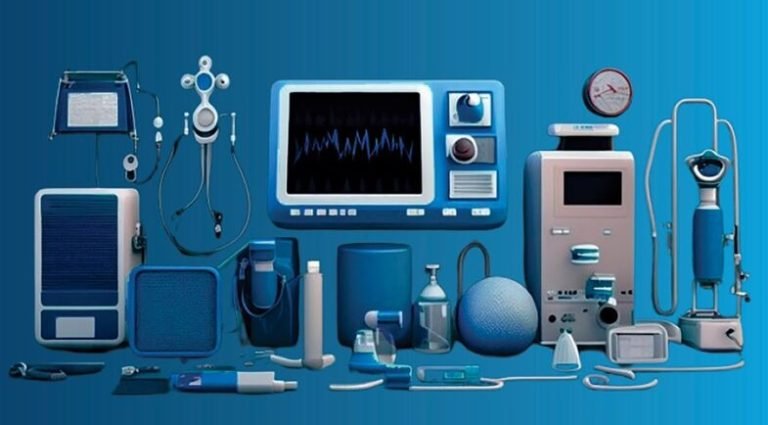
MedTech Companies
Vidyanta, a high-fidelity medical simulation company, provides valuable services to MedTech companies, offering various opportunities for product testing & validation, training & education, marketing & demonstration, and collaboration in research. The key benefits are risk reduction, accelerated time-to-market, and training and adoption: a simulation center allows for advanced training that helps healthcare professionals quickly learn new technologies.

Pharmaceuticals
Vidyanta, a medical simulation company, is highly beneficial for pharmaceutical companies in several ways. Vidyanta simulation centers provide a controlled, realistic environment where various medical scenarios can be replicated, which has direct implications for drug testing and development, simulated clinical trials, understanding drug interactions, preclinical studies, physician and healthcare training, product demonstration and training, specialized training programs, marketing & outreach, and patient education and support.
Registered Nurses
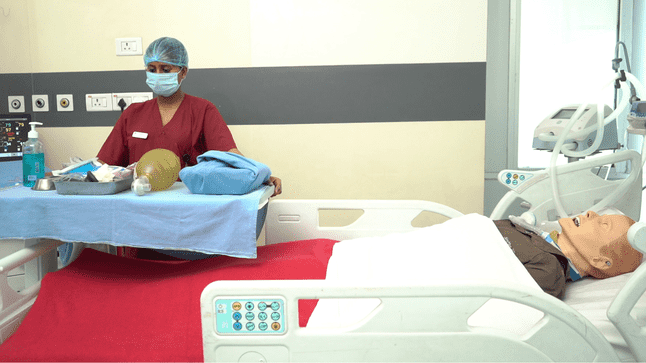
Clinical Competency Modules (Multi-speciality)
Clinical Competency modules for multispecialty hospital nurses provide an innovative, video-based digital learning solution that delivers an immersive educational experience. Through real-life clinical scenarios and step-by-step procedural demonstrations, these modules enhance nurses' understanding of essential clinical skills, improve decision-making, and boost confidence in patient care.
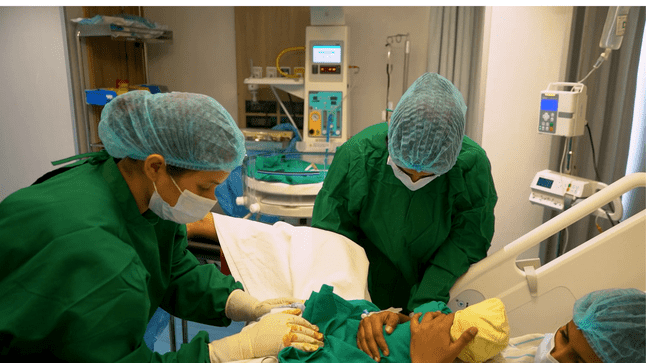
Clinical Competency Modules (Mother + Child)
Clinical Competency modules for nurses in Mother & Child Hospitals offer a structured digital learning approach to enhance expertise in maternal and neonatal care. Designed to build clinical competency progressively, these modules begin with the Must-Know procedures in each category, then advance through a Top-Up List of specialized areas.
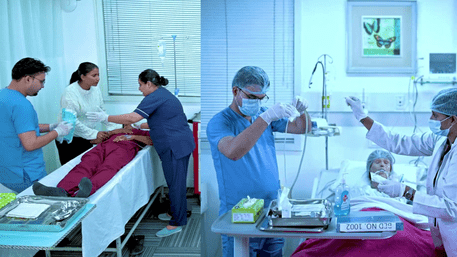
Clinical Specialized Courses (Multi-speciality)
Clinical Specialized courses integrate hands-on training with online theoretical learning, offering nurses a comprehensive and flexible educational experience through expert-led instruction and simulation-based training.
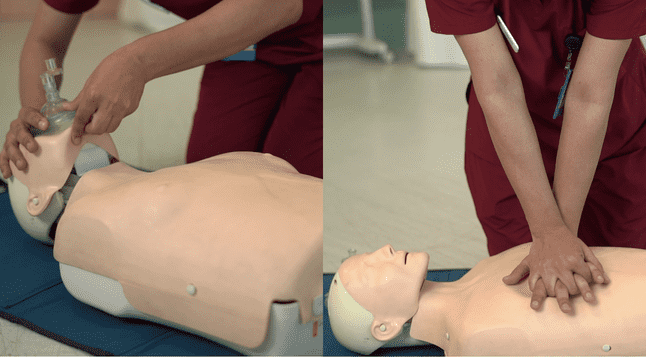
AHA Certified Courses (American Heart Association)
Vidyanta, an authorized AHA International Training Center, offers Basic Life Support (BLS) and Advanced Cardiovascular Life Support (ACLS) certification courses designed specifically for nurses. Upon successful completion, participants receive an internationally valid AHA certification.
Clinical Competency Modules (Multi-speciality)
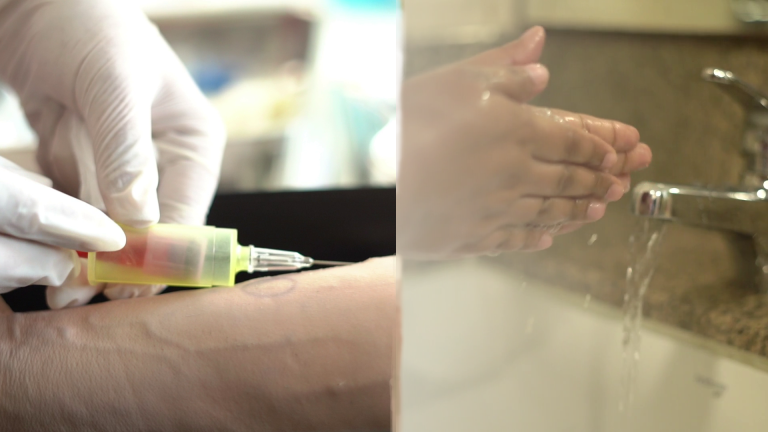
Must-Know Modules
These Must-Know modules serve as a foundation for nursing excellence, ensuring that nurses are competent, confident, and prepared to handle diverse clinical scenarios. Through engaging video demonstrations and scenario-based learning, these modules empower nurses with the critical skills needed to improve patient care, minimize errors, and enhance healthcare delivery. To ensure nurses are equipped with essential skills required for safe and effective patient care, Vidyanta has developed 21 Must-Know clinical competency modules.
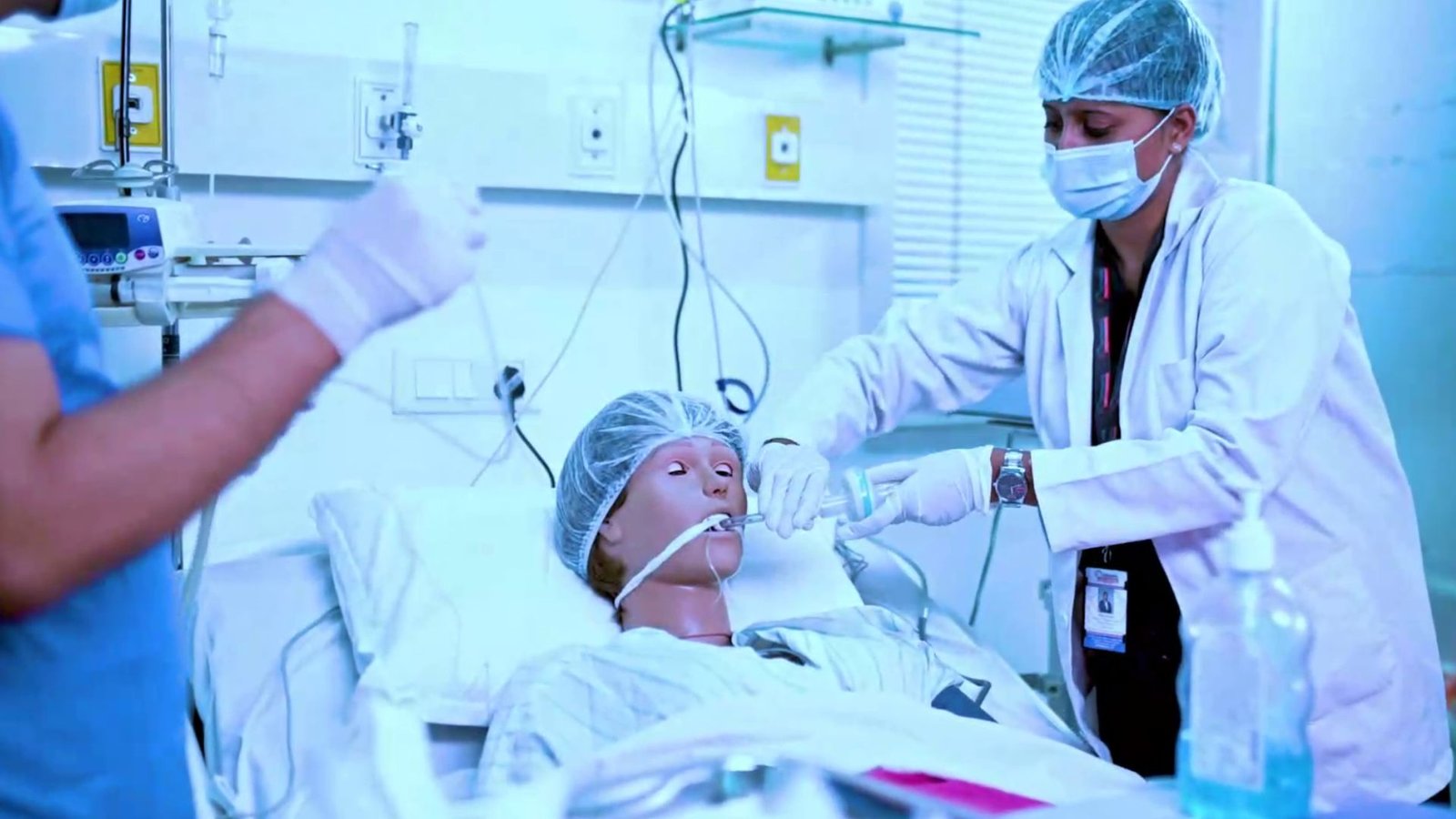
Medical ICU
These Medical ICU clinical competency modules equip nurses with the critical knowledge and procedural expertise required in medical ICU settings. Through video-based digital learning, nurses can develop essential skills, ensuring improved patient outcomes and excellence in intensive care nursing. Vidyanta has developed top 10 medical ICU clinical competency modules to provide nurses with the essential skills and competency required for critical care nursing.
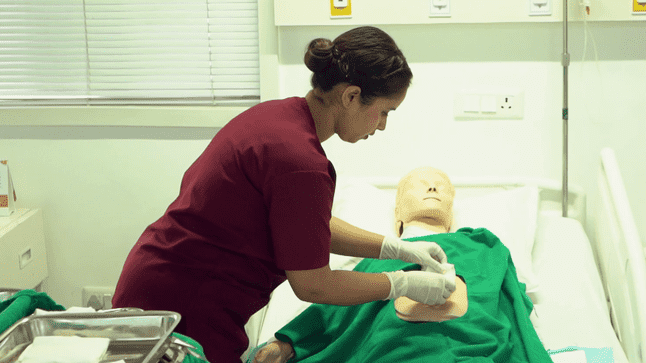
Surgical ICU
Nurses working in Surgical Intensive Care Units (SICU) play a crucial role in managing post-surgical patients, preventing complications, and ensuring optimal recovery. Vidyanta has developed top 10 Surgical ICU Clinical Competency Modules, focusing on procedures essential for nurses working in surgical critical care settings. These Surgical ICU clinical competency modules ensure that nurses are well-equipped to manage post-surgical complications, enhance recovery, and provide high-quality critical care.
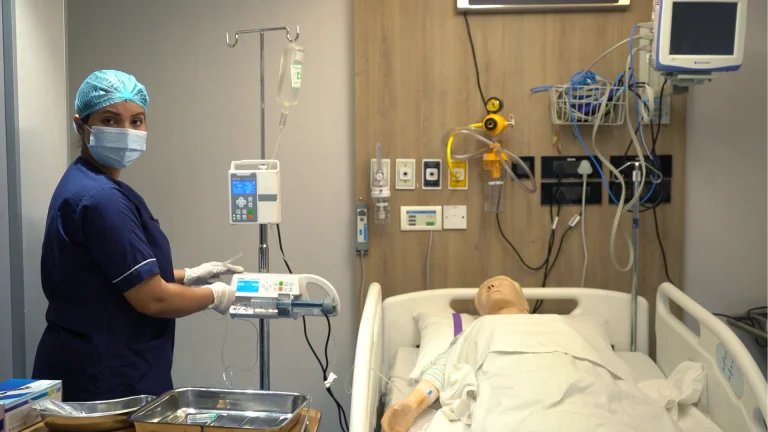
Cardiac ICU
Nurses working in Cardiac Intensive Care Units (CICU/CCU) require specialized skills and competencies to manage critically ill cardiac patients. To enhance their expertise, Vidyanta has developed top 10 specialized cardiac ICU clinical competency modules, focusing on essential procedures for nurses managing cardiac patients at ICU. These Cardiac ICU Clinical Competency Modules ensure that nurses are equipped with the critical skills to manage cardiac patient's outcomes, and provide quality cardiac critical care.
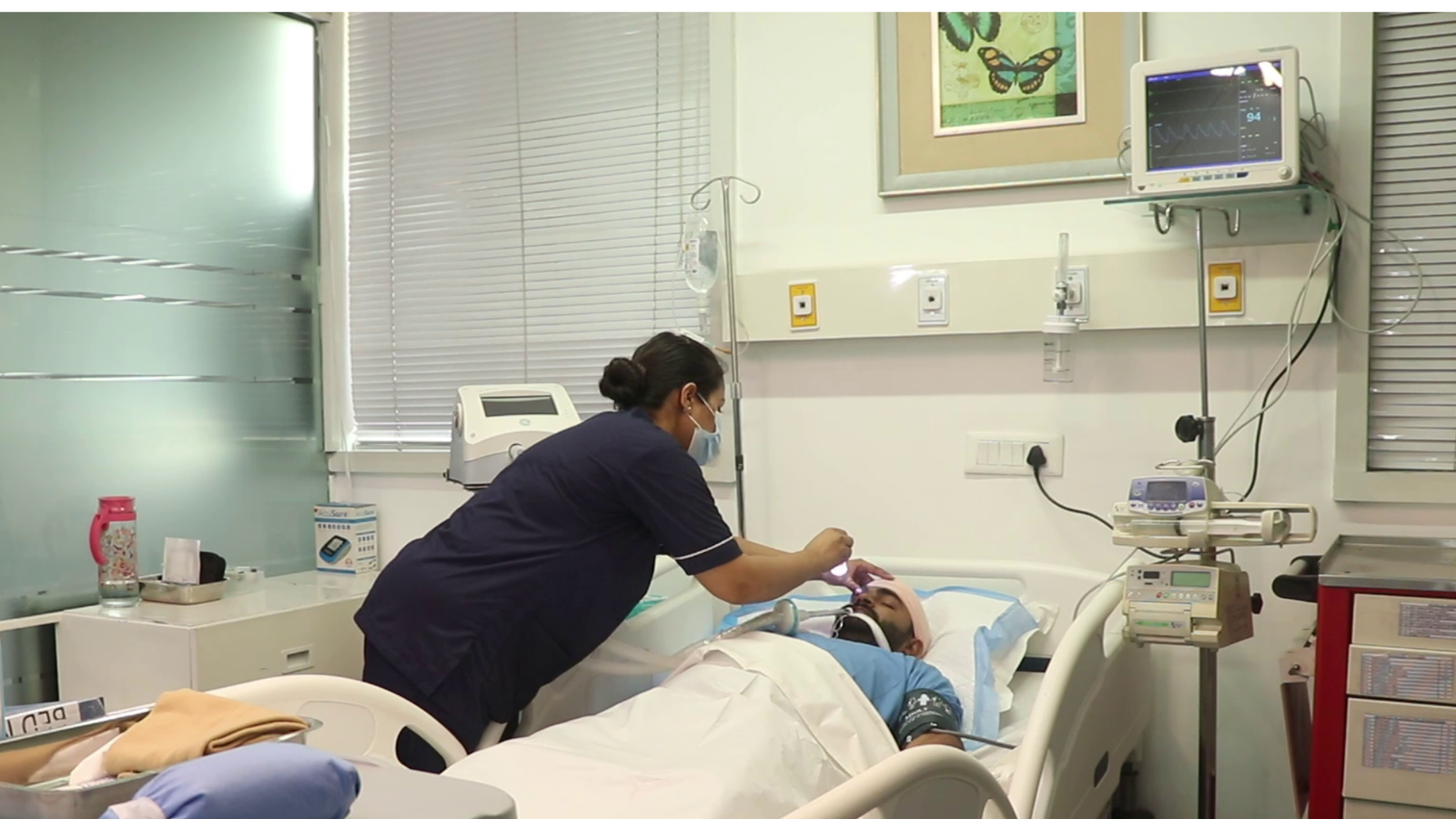
Neuro ICU
Nurses working in Neuro Intensive Care Units (Neuro ICU/NICU) require specialized skills to manage patients with neurological conditions such as stroke, traumatic brain injury, seizures, and neurodegenerative disorders. To enhance their expertise, Vidyanta has developed 10 Specialized Neuro ICU clinical competency modules, focusing on essential procedures for nurses handling critically ill neurological patients.
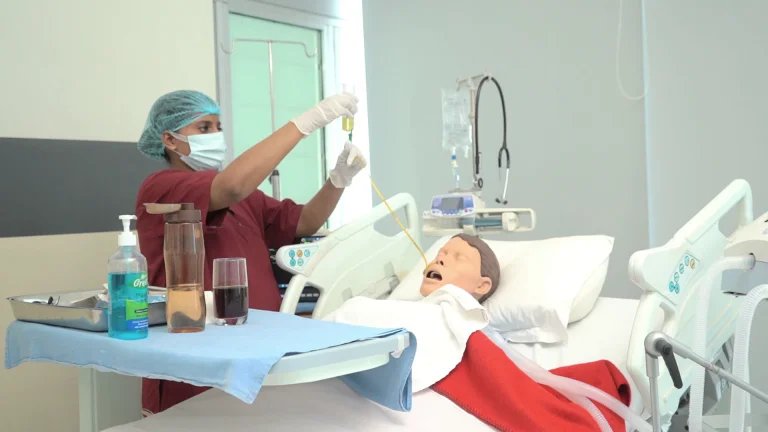
General Floor/IPD
Nurses working in General Floors/In-Patient Departments (IPD) are responsible for providing holistic care to patients with a wide range of medical and post-surgical conditions. To ensure high standards of patient care, Vidyanta has developed 10 General Floor/IPD clinical competency modules, focusing on essential nursing procedures for in-patient settings.
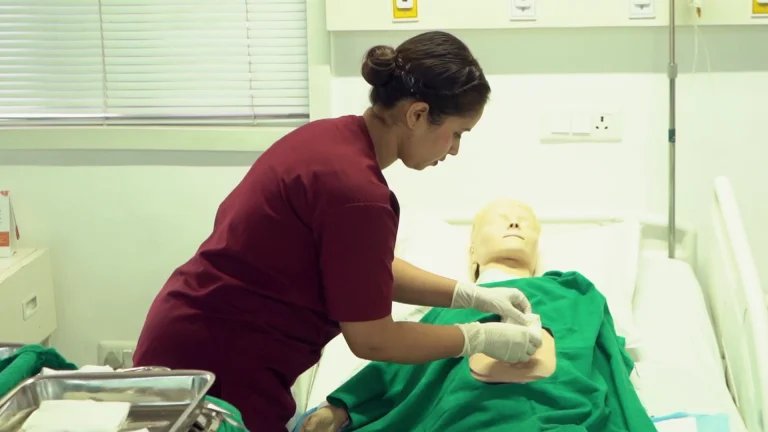
Transplant Unit
Nurses working in Transplant Units play a critical role in the pre-operative, intra-operative, and post-operative care of organ transplant patients. Nurses get specialized knowledge and skills to manage immunosuppression, infection prevention, rejection monitoring, and long-term care. To enhance expertise, Vidyanta has developed transplant unit clinical Competency Modules, focusing on essential procedures for nurses handling transplant patients.
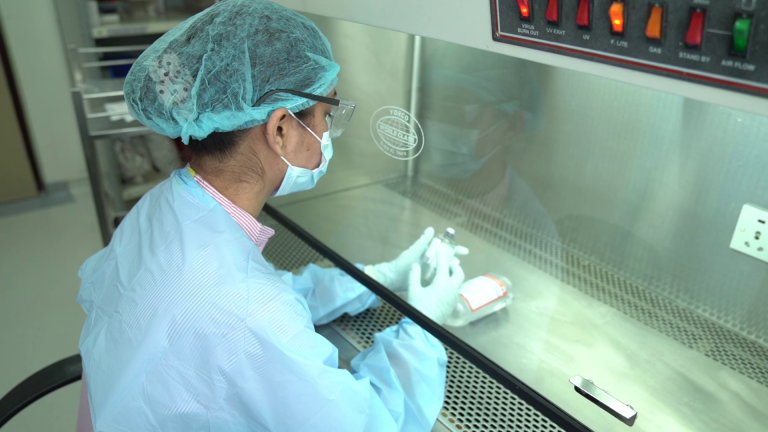
Chemo Daycare Unit
Nurses working in Chemotherapy (Chemo) Daycare Units require specialized knowledge and skills to safely administer chemotherapy, manage side effects, and provide emotional support to cancer patients. To enhance their expertise, Vidyanta has developed chemo day care clinical competency modules, focusing on essential procedures for nurses handling oncology patients in outpatient chemotherapy settings.
Clinical Competency Modules (Mother + Child)
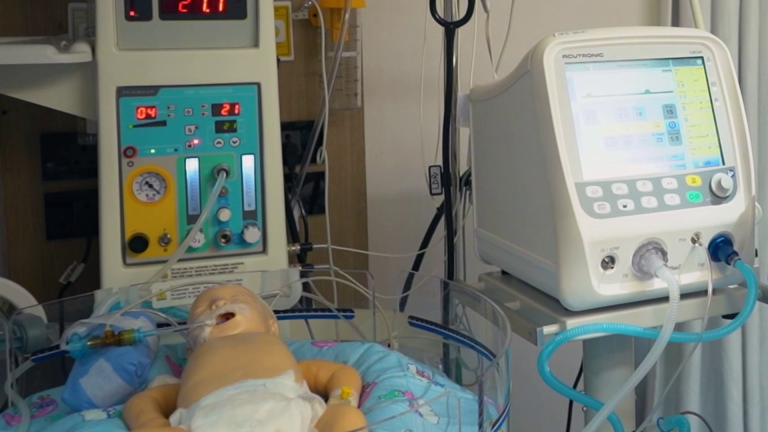
NICU Clinical
The Neonatal Intensive Care Unit (NICU) clinical competency modules are designed to equip nurses with the specialized skills and knowledge required to care for critically ill newborns. These video-based digital learning modules provide step-by-step demonstrations of essential neonatal procedures, ensuring that nurses can confidently perform life-saving interventions while maintaining the highest standards of patient safety.
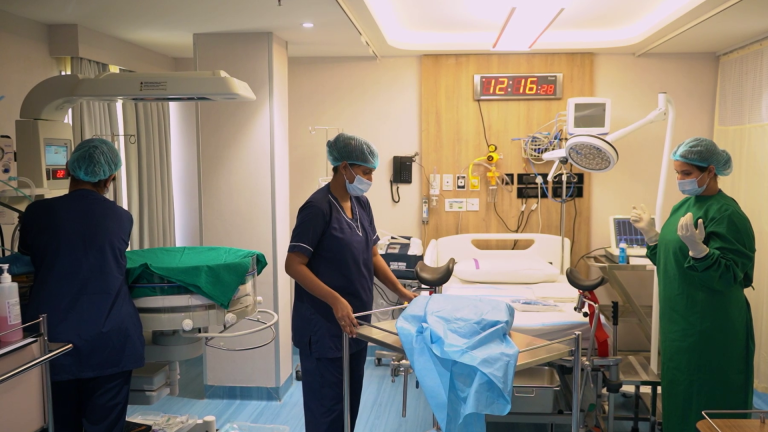
Labor Room & OT Clinical
The Labor Room & OT clinical competency modules are designed to provide nurses with the essential skills and knowledge required to manage labor, childbirth, and operative procedures in obstetric settings. These video-based digital learning modules offer step-by-step demonstrations of critical procedures, ensuring that nurses can confidently assist in normal and complicated deliveries, surgical interventions, and postnatal care with precision and efficiency.
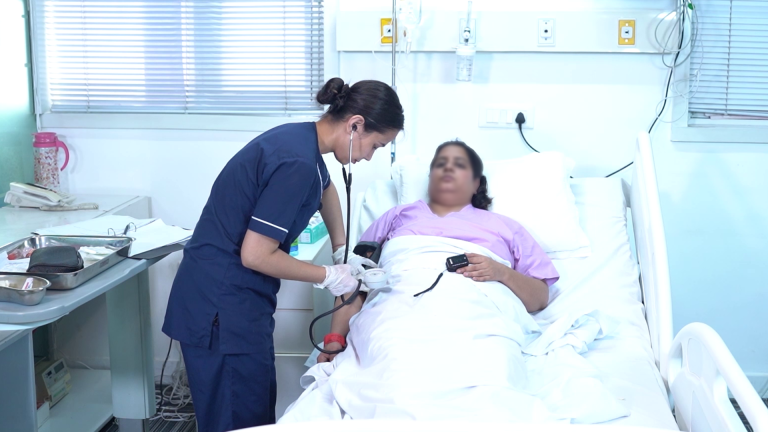
Labor Ward Clinical
The Labor Ward clinical competency modules are designed to equip nurses with the essential skills and knowledge required to provide comprehensive care to expectant mothers during the antenatal, intrapartum, and postnatal periods. These video-based digital learning modules offer step-by-step demonstrations of critical procedures, ensuring nurses can confidently manage routine and high-risk pregnancies, postpartum recovery, and newborn care in an inpatient setting (IPD).
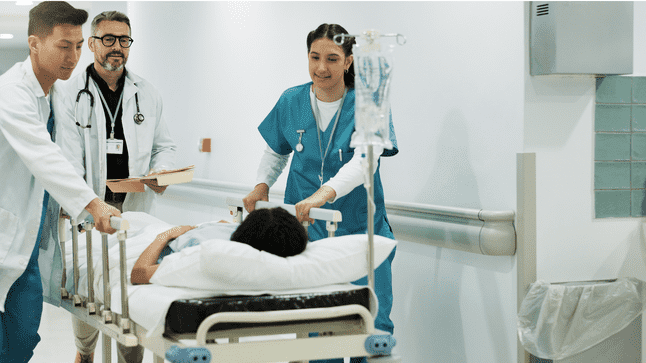
Emergency Room (ER) Clinical
The Emergency Room (ER) clinical competency modules are designed to equip nurses with the critical skills and rapid decision-making abilities needed to manage obstetric and neonatal emergencies in a Mother & Child Hospital. These video-based digital learning modules provide step-by-step demonstrations of emergency procedures, ensuring nurses can respond swiftly and effectively to life-threatening situations affecting both mothers and newborns.
Clinical Specialized Courses (Multi-speciality)
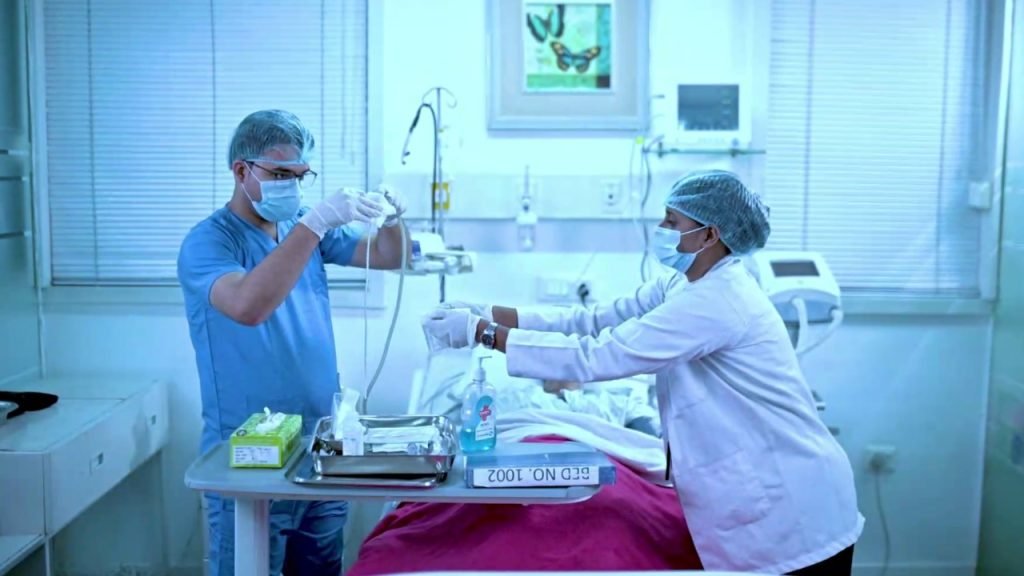
Essentials of Critical Care Nursing
30 CNE hours / 6 CNE credits
In this course nurses will gain knowledge about concepts in taking care of critically ill patients. Advanced knowledge in major diseases affecting individuals, which requires them to have high intensity nursing, will be in focus. This course will be useful to those nurses who do not have any formal training in critical care nursing and who desire to work in a critical care unit. Critical care units include: ICU, CCU, Emergency and Trauma, Post Anesthesia - Recovery, Transplant and others whose main patient population are the critically ill patients.
Basics of Emergency Nursing
30 CNE hours / 6 CNE credits
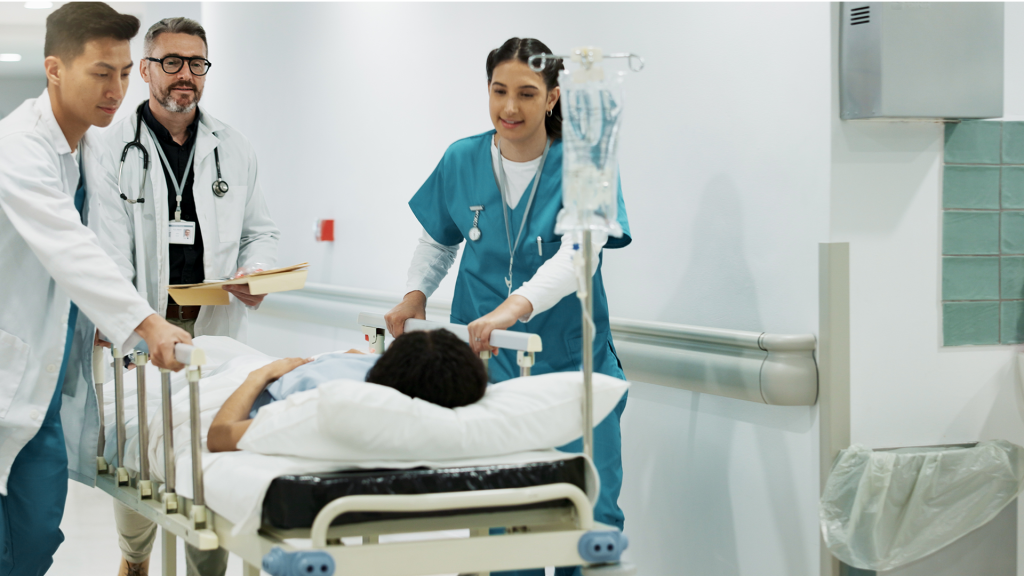
To effectively manage real life threatening emergencies, inside and outside of the hospital, it is essential that nurses know systematic management and use simple algorithms to manage these emergencies. In this course, nurses are required to assume various roles during medical emergencies as they would at the scene of an emergency. Pre-designed scenarios will be acted out in the simulation lab where the nurses will have the opportunity to enact on how to manage the emergency situation as per the algorithm.

Infection Prevention and Control Nurse (IPCN)
30 CNE hours / 6 CNE credits
The Certified Infection Prevention and Control Nurse (IPCN) course aims at preventing all kinds of infections in hospitals by developing specialized nurses in this field, equipped with knowledge and skills to keep healthcare facilities infection free. The objective is to empower nurses with expertise which is essential for effective implementation of infection control practices across all healthcare settings with an emphasis on both theoretical and practical aspects.
Basic Trauma Life Support
20 CNE hours / 4 CNE credits
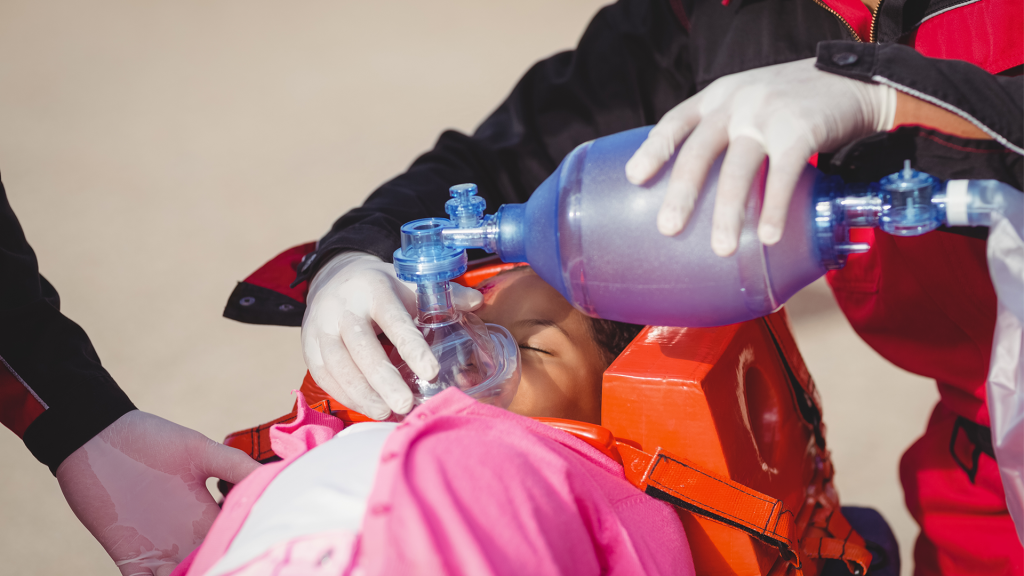
To be effective with trauma victims in the hospital, it is essential that nurses know safe and reliable methods for the immediate treatment of injured patients. The basic knowledge necessary to assess a patient's conditions rapidly and accurately, resuscitate and to stabilize the patient according to priority, to determine whether a patient's needs exceed a facility's resources and a provider's capabilities, to arrange appropriately for a patient's inter-hospital transfer (what, who, when and how) and to ensure that optimal care is provided and that the level of care does not deteriorate at any point during the evaluation, resuscitation, or transfer process.
Nurse's Basic Clinical Skills Training Program
60 CNE hours / 12 CNE credits
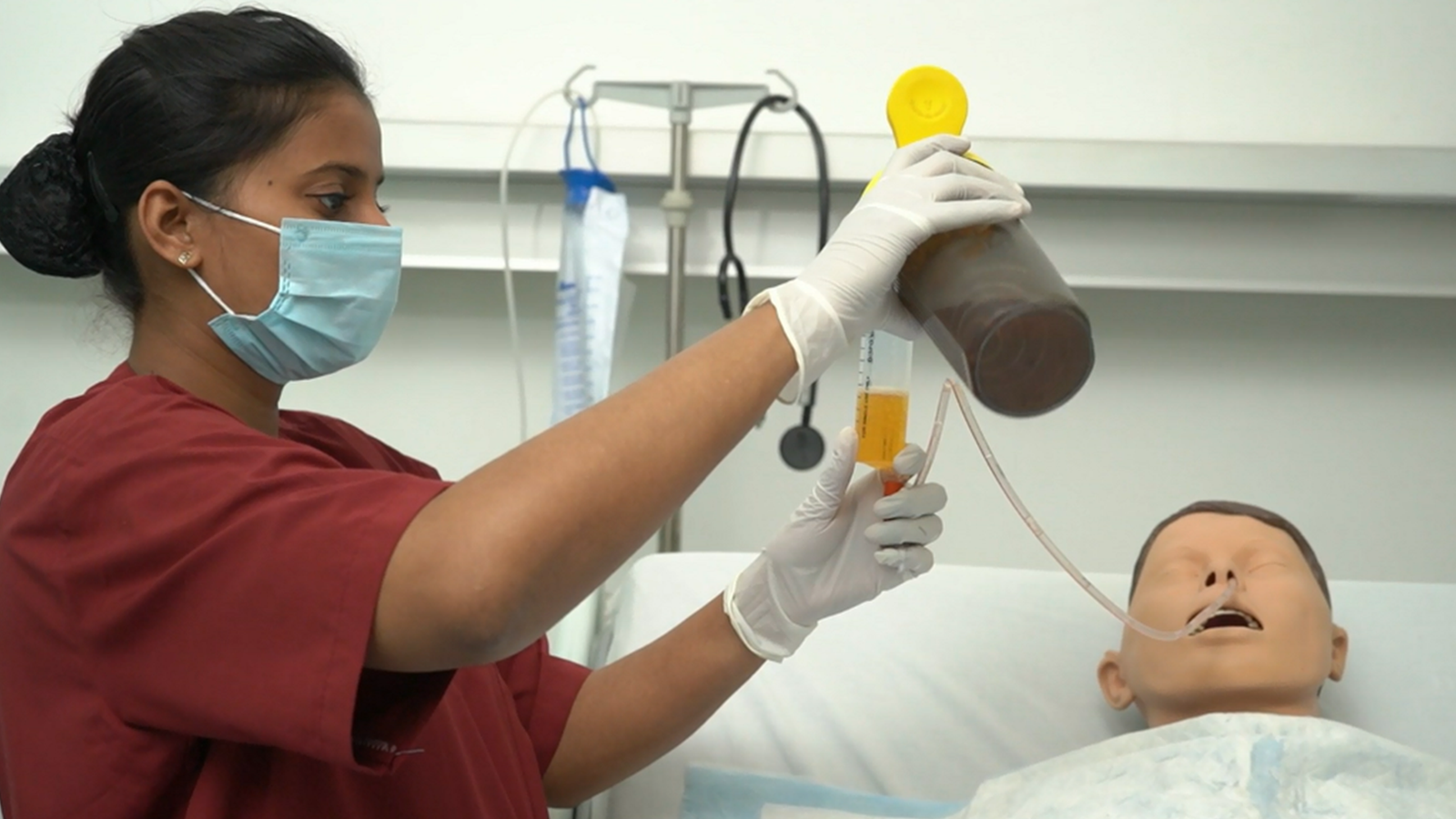
This program imparts essential safety and risk management information, provides core mandatory training and trains nurses in clinical procedures that they will need to begin their new jobs. The program helps nurses to acquire clinical skills as per hospital SOPs, clinical judgment and professional behavior that will allow them to support and help their patients in various situations. This blended program is especially designed to be customized as per the requirement to work efficiently and to provide quality patient care.
Intravenous Access & Cannulation Program
3 CNE hours / 1 CNE credit
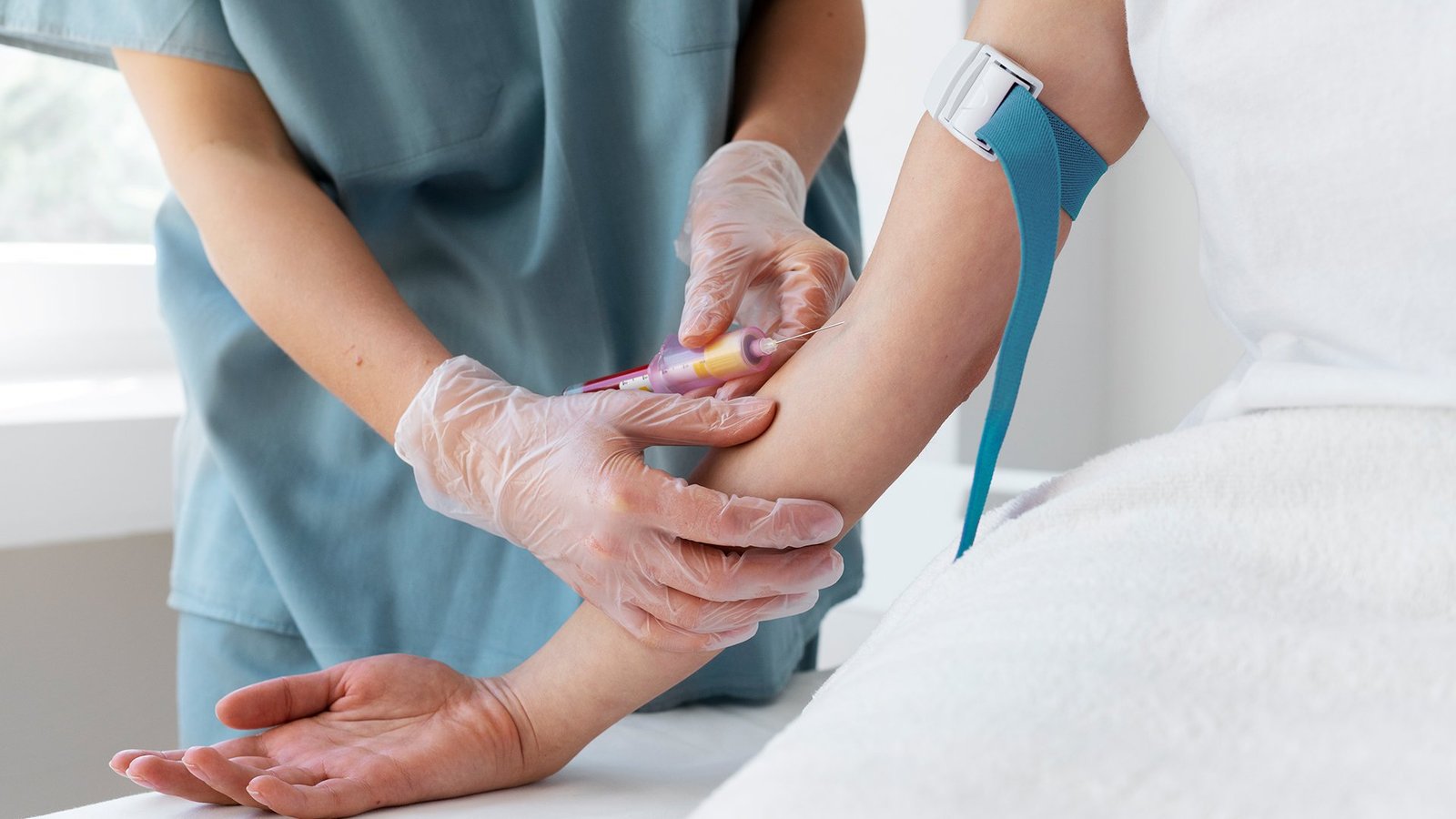
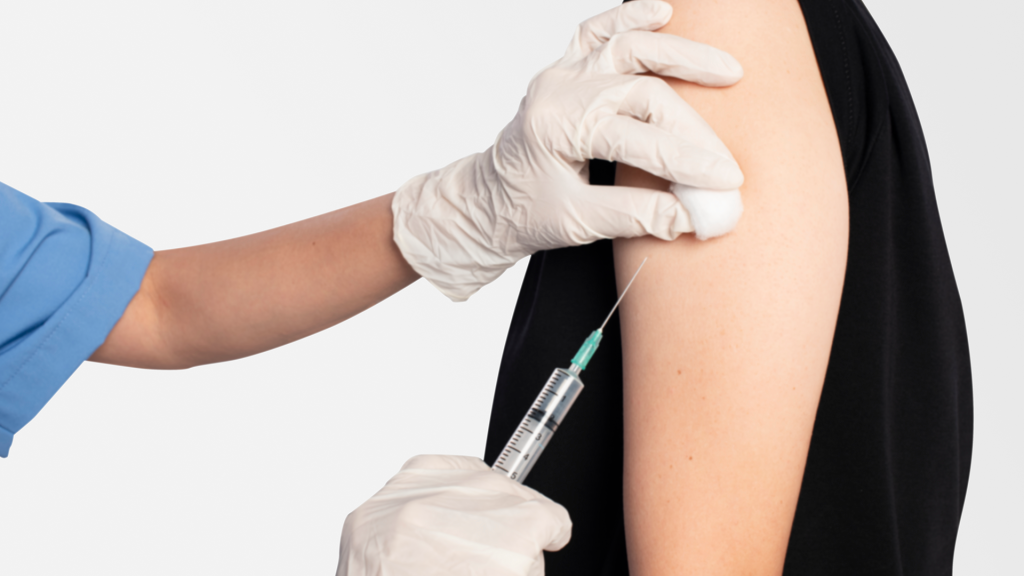
This training program covers the proper procedures for venipuncture, or using a needle to find a vein and collect blood. In addition, nurses learn about safe practices for handling blood and the dangers of blood-borne diseases. Instructors also provide information on customer service techniques to help professionals to interact with co-workers and patients and family members. They will learn insertion of vein puncture devices, principles of cannulation, use of various types of IV lines and cannula.
Medication Management
15 CNE hours / 3 CNE credits
From this training program, nurses will learn the key principles governing what the body does to a medication and, in turn, what a medication does to the body. The program is designed to help nurses learn about high risk medications, what to do when adverse drug reactions occur, common emergency medications and its actions, look alike and sound alike drugs and will upskill in medication administration from different routes. The module focuses on routes of medication, high-risk medication, adverse drug reaction conditions and drug calculations.
Essentials of NICU Nursing Care
None
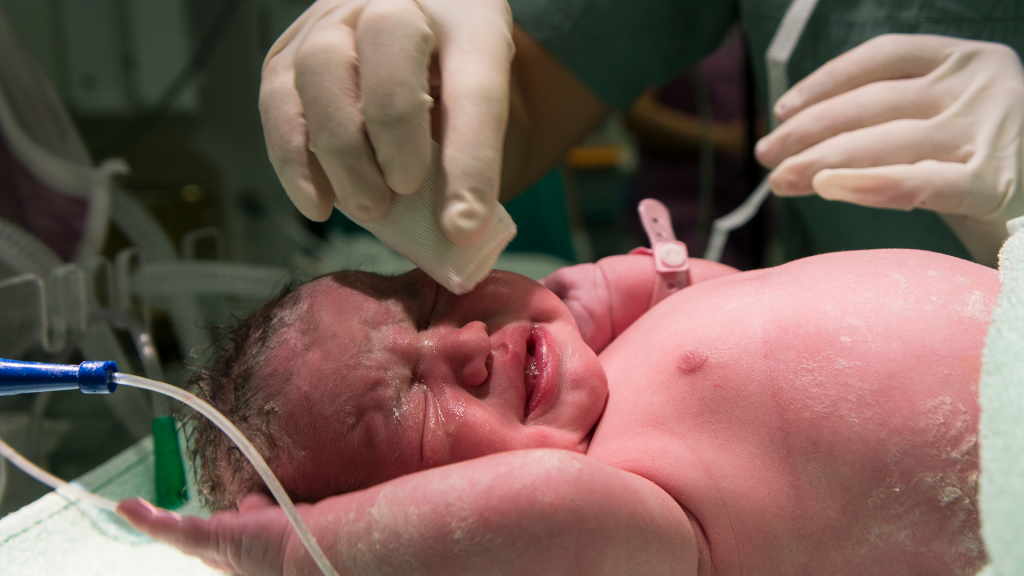
Essentials of NICU Nursing Care is a specialized course designed to equip nurses with critical skills for neonatal intensive care. Learn to manage premature and critically ill newborns with confidence and competence. The course blends evidence-based clinical knowledge with hands-on simulation training. Ideal for nurses aspiring to excel in neonatal units and elevate infant care standards.
AHA Certified Courses (American Heart Association)
BLS Provider Course
1 day
Provides hands-on training using mannequins. You will learn how to provide effective chest compressions, and rescue breaths using a barrier device. You will also learn how to provide CPR to adults, children and infants, and use an AED safely and effectively.
ACLS Provider Course
2 days
Upon completion of this course, the participant will be able to demonstrate proficiency in providing BLS care, and will be able to recognize and manage cardiac arrest, and recognize stroke and acute coronary syndrome (ACS) and provide effective initial care.
BLS & ACLS Provider Course
3 days
Provides both BLS and ACLS provider certifications.
Nursing Students
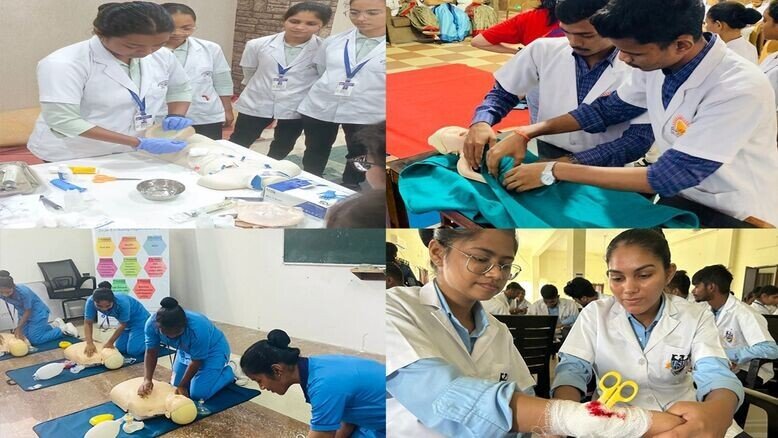
Mandatory Modules
Mandatory Training Modules as per INC curriculum, designed to enhance the clinical competence of nursing students through a structured blended learning approach that combines online theoretical learning with hands-on clinical training.
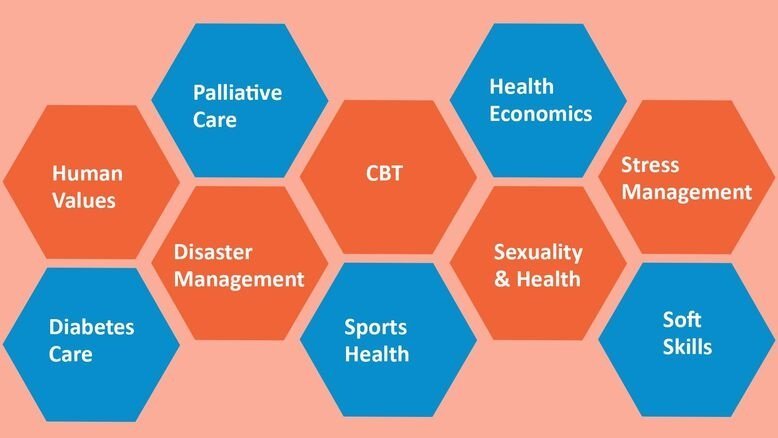
Elective Modules
Elective Training Modules designed to help nursing students develop specialized clinical skills beyond their core curriculum, providing flexibility while ensuring in-depth learning from expert faculty.
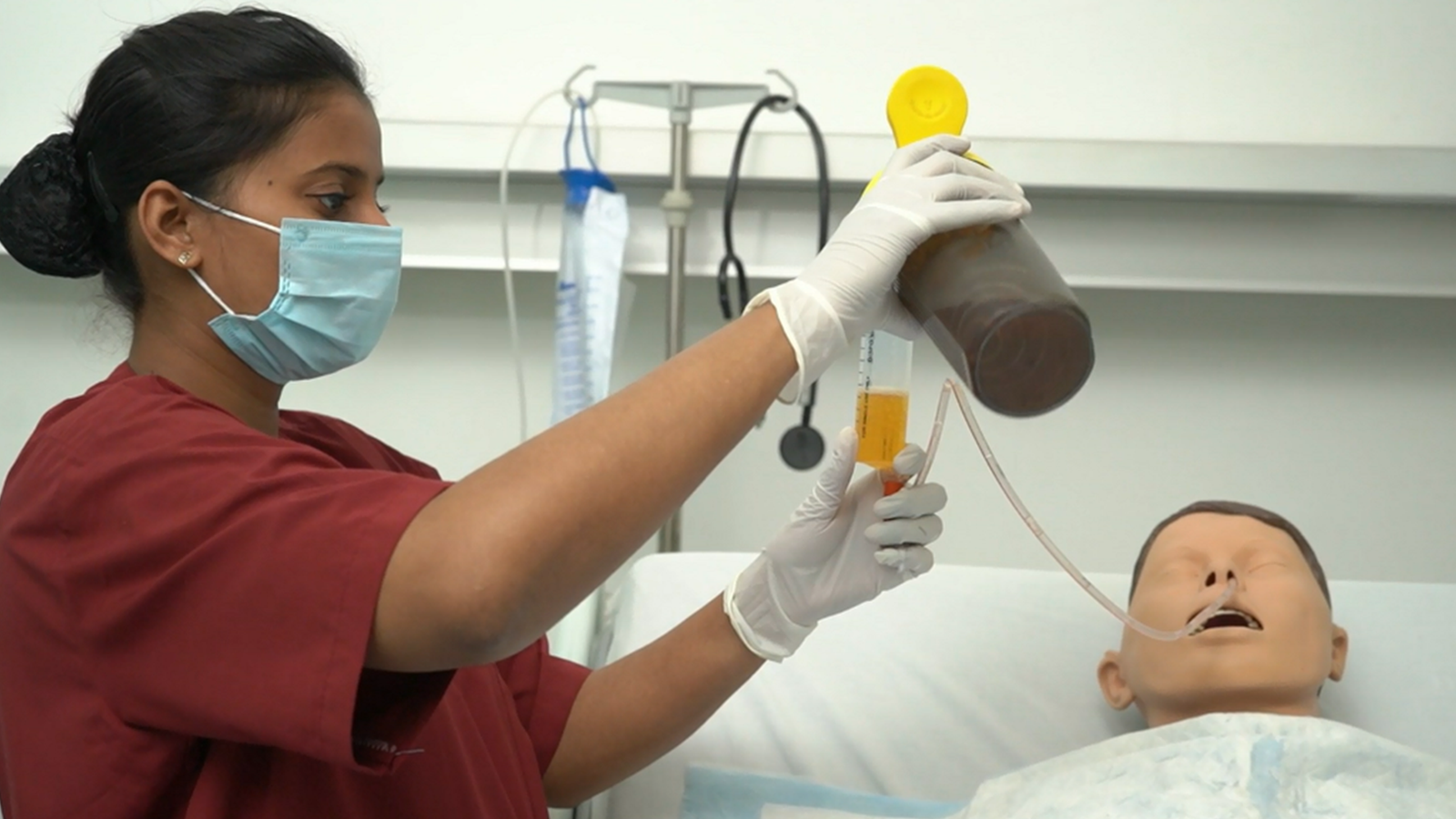
Clinical Procedure Learning
An exclusive clinical skills video-based learning program designed to help nursing students bridge the gap between theory and practice, with high-quality, evidence-based instructional videos.
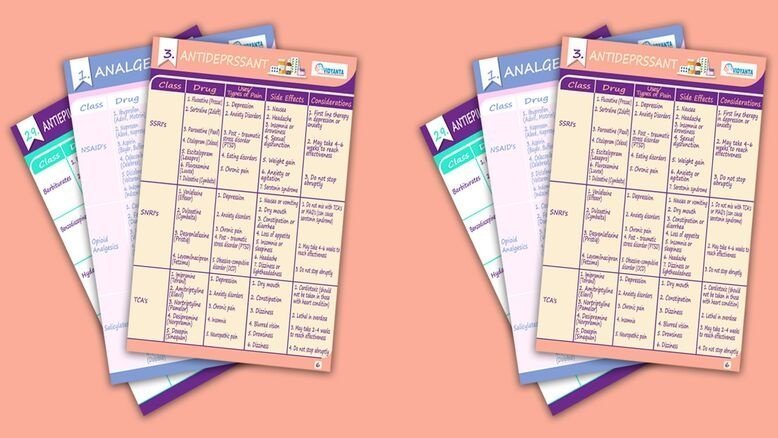
Cheat Sheets
Nursing Cheat Sheets: concise, easy-to-use reference guides designed to help nursing students quickly recall essential clinical concepts, for exams, practical assessments, and real-world clinical practice.
Healthcare Organizations
Government Projects
CSR Initiatives
Medtech Companies
Nursing Colleges